

Sole Trader Tax Deductions in Australia: What You Can Actually Claim

All states and territories in Australia
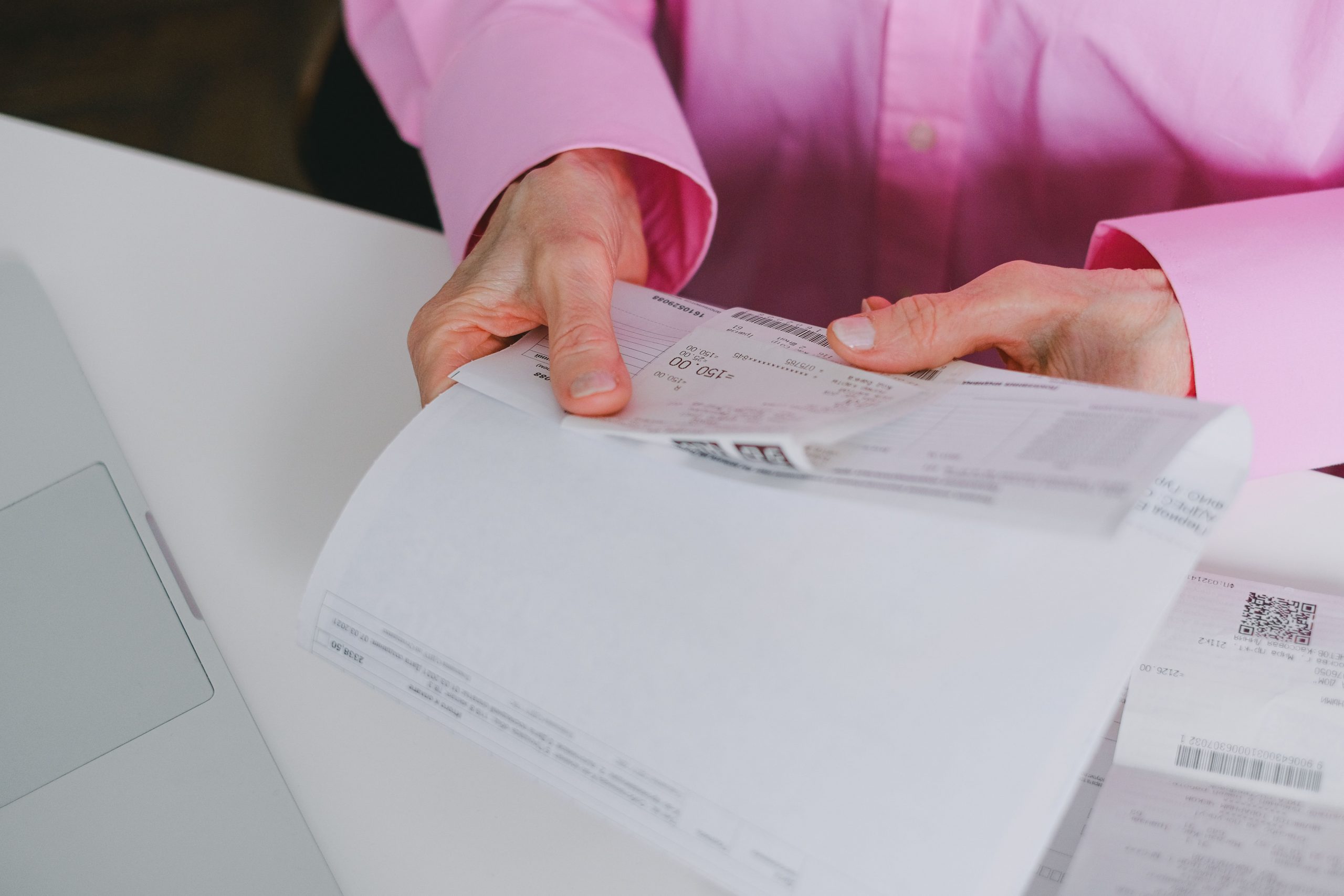
Every dollar of legitimate business expense you forget to claim is a donation to the tax office. Australian sole traders leave serious money on the table each year — not because the rules are generous, but because nobody told them what counts. Here’s the plain-English version.
The ATO’s three golden rules
Before the categories, the test. The ATO’s business deductions guide sets three rules for every deduction you claim:
- It must be for your business. The expense has to be directly related to earning your assessable income — not private, not domestic.
- Apportion mixed use. If something is part business and part personal — your phone, your car, your home internet — you can only claim the business portion, worked out on a fair and reasonable basis.
- You must have records to prove it. No receipt, no records, no deduction. The ATO is explicit: you need evidence for every claim.
One more mechanical rule worth knowing: if you’re registered for GST, you can’t claim the GST component of an expense as a deduction when you can claim it as a GST credit on your BAS instead. Claim it once, in the right place.
The categories people underclaim
Home office — occupancy and running costs. If you work from home, two types of costs may be deductible. Occupancy expenses (rent or mortgage interest, council rates, insurance) generally need a dedicated work area, apportioned by floor area and time used. Running expenses (electricity, phone, internet, stationery) are apportioned by actual business use. Track both separately — they follow different rules.
Vehicle expenses. For a car used in the business, sole traders can use the cents per kilometre method — a set rate per business kilometre, up to 5,000 business kilometres per car per year, no logbook required (though you still need to show how you worked out the kilometres). Alternatively, claim actual costs with a logbook. Either way: commuting from home to a regular workplace doesn’t count.
Professional fees. Your accountant, bookkeeper, or tax agent’s fees are deductible — the cost of getting your tax right is itself a tax deduction. Legal advice for the business counts too.
Marketing and advertising. Website hosting, domain names, social media ads, business cards, Google Ads — fully deductible. Money spent telling people you exist is money spent earning income.
Insurance. Public liability, professional indemnity, income protection — premiums for business policies are deductible.
Super contributions. Unlike employees, nobody pays super for you — but you can make personal concessional contributions to your own fund and claim a deduction. You must notify your fund in writing of your intent to claim and get an acknowledgment before lodging your return, and annual concessional contribution caps apply.
Depreciation. Tools, computers, equipment — assets that decline in value get deducted over their effective life rather than all at once. Small business entities may be able to claim an immediate deduction under the simplified depreciation rules.
What never qualifies
The ATO is equally clear about what you can’t claim: entertainment expenses (other than as fringe benefits), traffic and parking fines, private or domestic costs like childcare or family clothing, and expenses tied to income that isn’t assessable. And no — the nice suit you wear to client meetings isn’t deductible, even if you only wear it for work.
How to claim
As a sole trader, you claim deductions in your individual tax return under the “Business and professional items” schedule — either yourself through myTax or via a registered tax agent. The categories on the form follow the same logic as above: list each expense type, apportion mixed-use items, and keep every receipt.
The habit that makes it easy
The ATO requires you to keep business records for five years — and the deductions you can prove are the deductions you keep. Tag business expenses as you go, scan every receipt the day it lands, and export a clean category breakdown when it’s time to lodge. The sole traders who do this through the year finish their returns in an afternoon. The ones who don’t spend a week reconstructing one.
How Lemon fits
Lemon’s tags and categories map naturally onto deduction types: tag fuel, supplies, professional fees, and home office costs through the year, scan every receipt with OCR, and export the breakdown when you lodge. Every number on your return gets a receipt behind it — which is exactly what the ATO’s third golden rule demands.
This article is general information, not tax advice. For your specific situation, talk to an accountant or tax agent.
Download Lemon free on the App Store or Google Play — tag every business expense through the year so tax time takes an afternoon, not a week.
Juggling a day job alongside the business? Our guide to second job tax in Australia explains why the second pay looks smaller — and how the tax-free threshold really works when income comes from two places.



About this author
Contribute your article